The line between I and my work is blurry. That's not an accident.
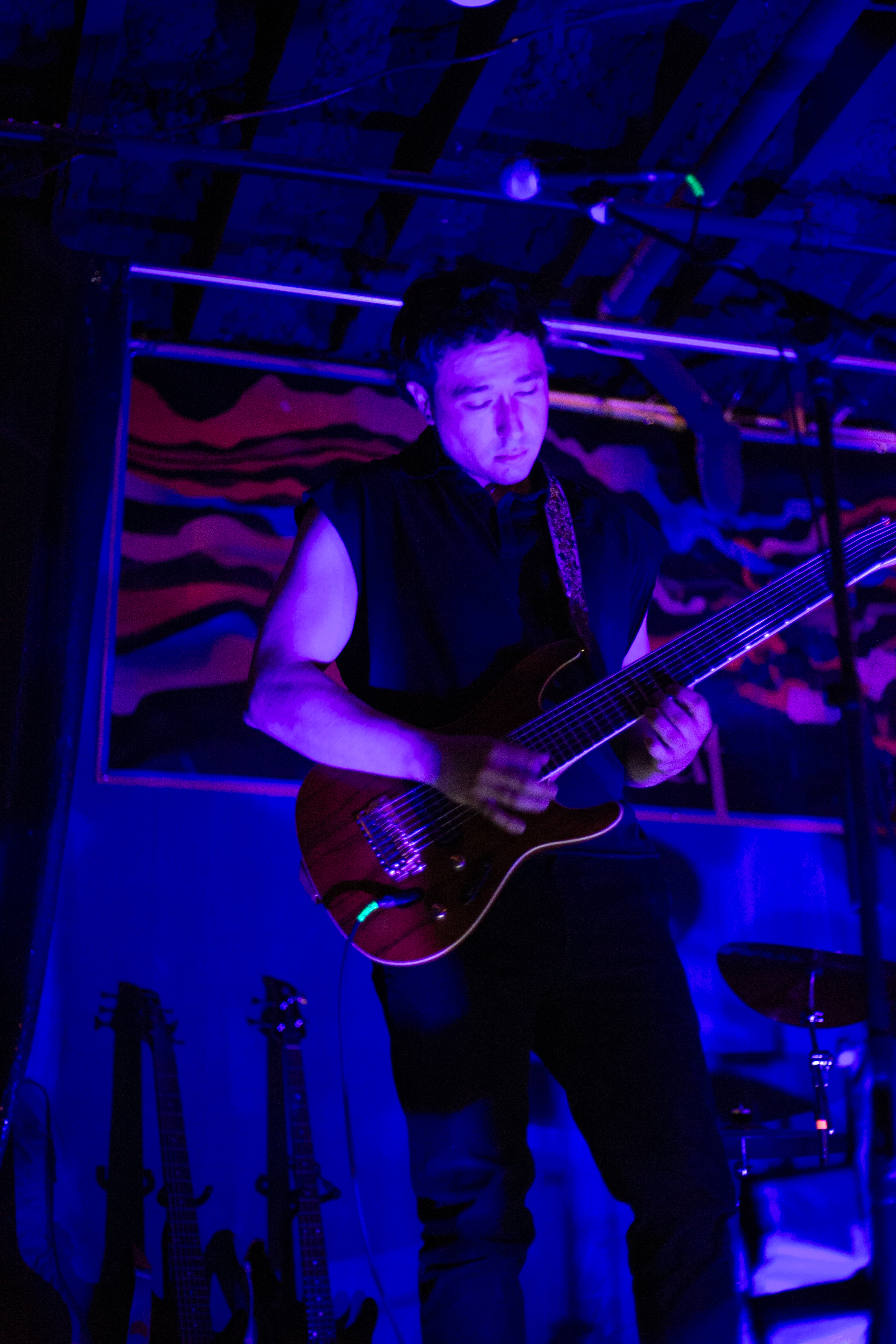
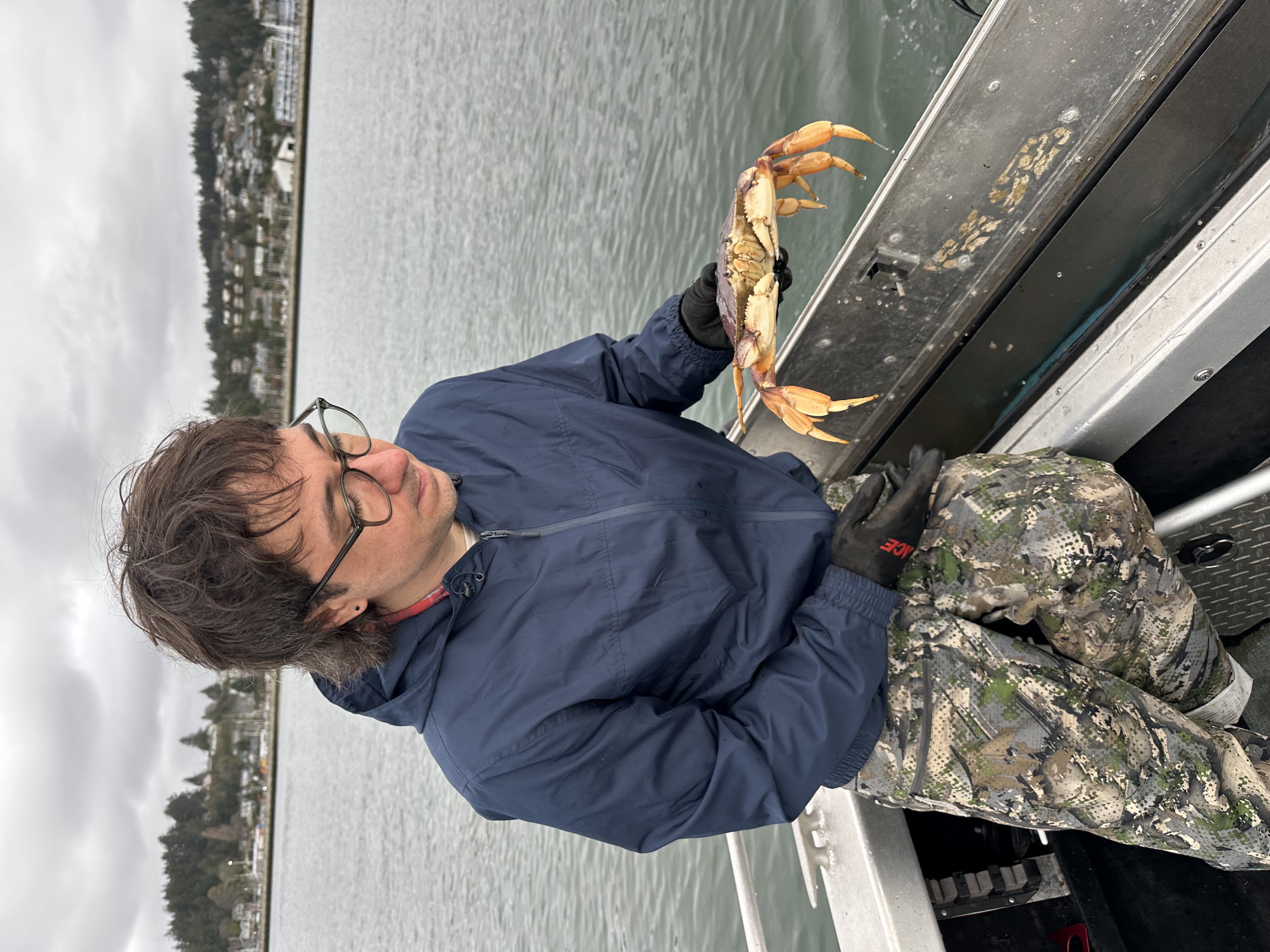
I'm Nathan. I love creating. My toolbelt draws from STEM and the arts. But I don't just create for creation's sake, even though I could and would live a happy life. My craft is building tools for people. Precision instruments and well-designed, humane platforms that enable discovery and experience, because they unlock understanding of ourselves, each other, and beyond: for me, that is the most exciting and rewarding pursuit I have found.
I arrived here through a career in neuroscience (PhD, Wash U, 2021). It might sound like a circuitous route, but I assure anyone who might wonder that I spent that time building, even when I ought to have been writing manuscripts. Specific questions aren't what drive me, it's solving how they can be addressed. I do what I do to push what is possible and to allow others to answer questions that were previously out of reach. In this pursuit, ignoring the boundaries between domains, acknowledging tradition, and reveling in the chance to turn things on their heads is, I believe, a positive character trait.
I find that my scientific depth, experience in academic and industry R&D (two-time founder), and the breadth of work and collaborations I have had across disciplines and domains (spanning science, engineering, ML, medical, business, and more) make it all the simpler to get to the heart of a problem, understand someone's language and requirements, and identify the ideal tools — or pick them up fast if I am unfamiliar. As such, I work across software, firmware, and hardware: data & ML pipelines, complex signal processing, paradigms requiring real-time interacting systems, VR/AR so that we can probe our senses, neuroimaging and biosignals, wearable and environmental sensors, massive-scale GPU-enabled modeling and simulation... If the goal is worthy, I want to help make it attainable.
Flip through the notebook — goals, interests, and why I build the way I do.
My Life Goal
My life goal is to build novel instruments of discovery and mediums of experience — ones that let us better understand ourselves, each other, and beyond.
That goal has many destinations and paths. I have ongoing frontier work in scientific inference which draws from ML interpretability, stability analytics, and simulation (Epoche); a patent-pending clinical device for neurological assessment (undisclosed mechanism until the patent publishes); and my most ambitious endeavor to date: MUSE, a GPU-native modeling and simulation platform — 100K+ entities on a single GPU, million-run parameter sweeps in about a minute on a laptop — and the company being built around it, Gothic Grandma Laboratories.
Along the way, I am taking direct contracting and consulting engagements: data platforms and pipelines (analysis, visualization, distributed compute, cloud deployment), equipment integration and synchronization, real-time paradigms, VR/AR, custom hardware, AI-bolstered workflows, and more, which you can see in my portfolio.
What I'm Interested In
My current intellectual obsessions, roughly in order of time spent thinking about them:
- Emergence in complex systems — The thread connecting neural circuits, ML models, and simulated ecosystems: how does architecture constrain and enable emergent behavior?
- Human-AI collaboration interfaces — Not replacement, augmentation. Designing systems where AI amplifies human judgment rather than substituting for it.
- Agentic AI and tool use — How do you build AI systems that plan, use tools, and collaborate with humans? What architectural patterns lead to reliable, predictable behavior vs. surprising failures?
- Interpretability and alignment — From SHAP/LIME to mechanistic interpretability to Constitutional AI. How do we make AI systems legible? How do we ensure they do what we want?
Why I Build What I Build
I'm not just comfortable with ambiguity — I'd call it a strong preference. I like helping define the rules, not just play by them.
My background as a scientist influences how I build — from scoping features to iteration and testing. I track every decision along the way, not just changesets, but rich data that lets future me trace development back through time and analyze the codebase in new ways.
My scientific interests live at the intersection of embodied cognition, sensorimotor processing, and ecological psychology — how perception and action are inextricably intertwined, how context changes everything, and why the body isn't just a vehicle for the brain.
That domain expertise also shapes what I build. MUSE's heterogeneous GPU-native batch architecture — where rocks, trees, weather, and people are all processed together using a simulation loop inspired by closed-loop biological models — came directly from years spent thinking about how bodies and environments interact.
For more on how my neuroscience background shaped my engineering philosophy, see: Cognition Dx →
For a deeper look at how this question connects everything I've built — from neural circuits to ML models to simulated worlds — see Following One Question Across Ten Years.
Away from the keyboard, but running the same obsessions.
Music
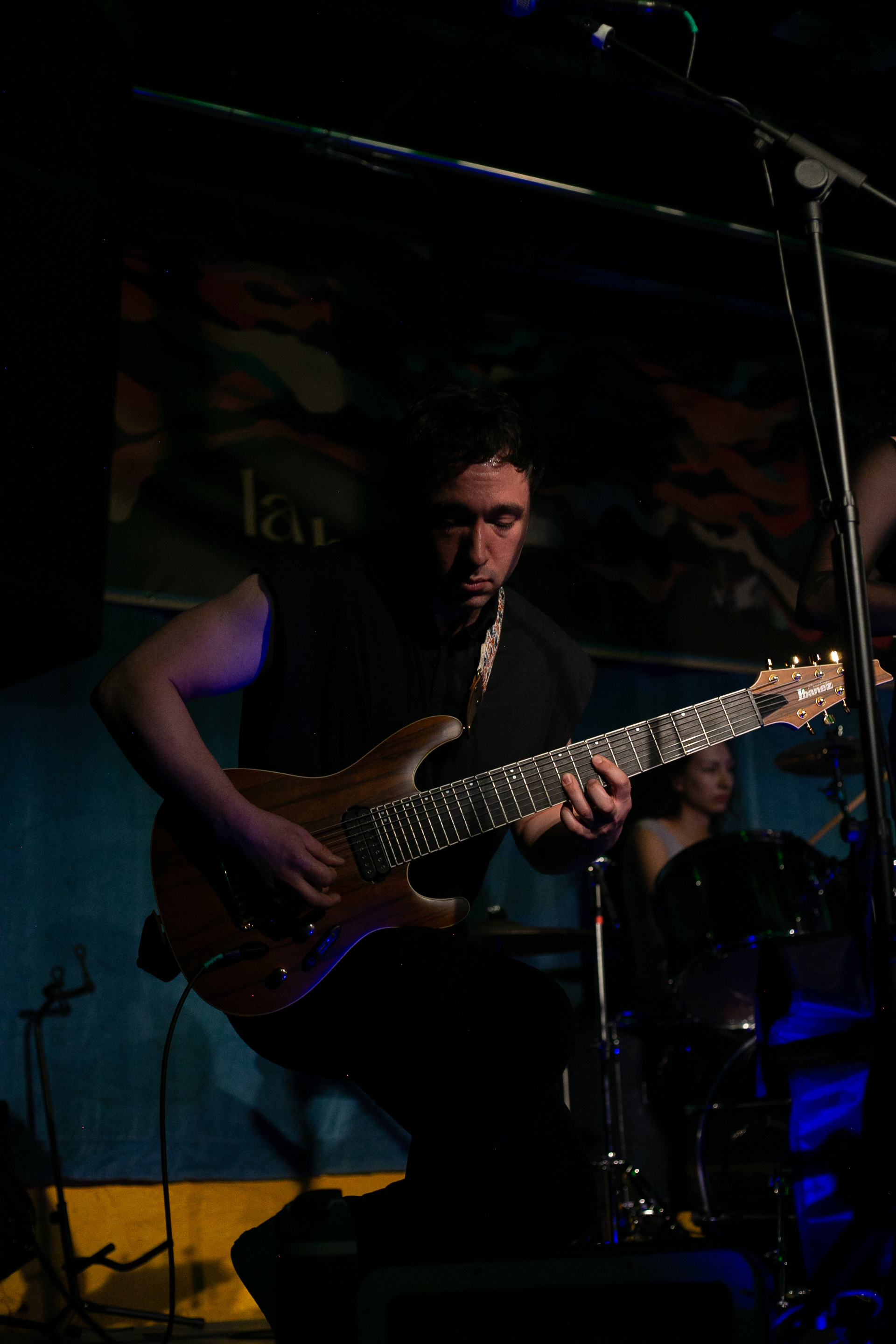
Lead guitar in a band with heavy metal roots now bent toward alt-rock and jazz. However, we are prone to metal improv halftime shows (evidence below). My favorite sport is endurance tandem karaoke.
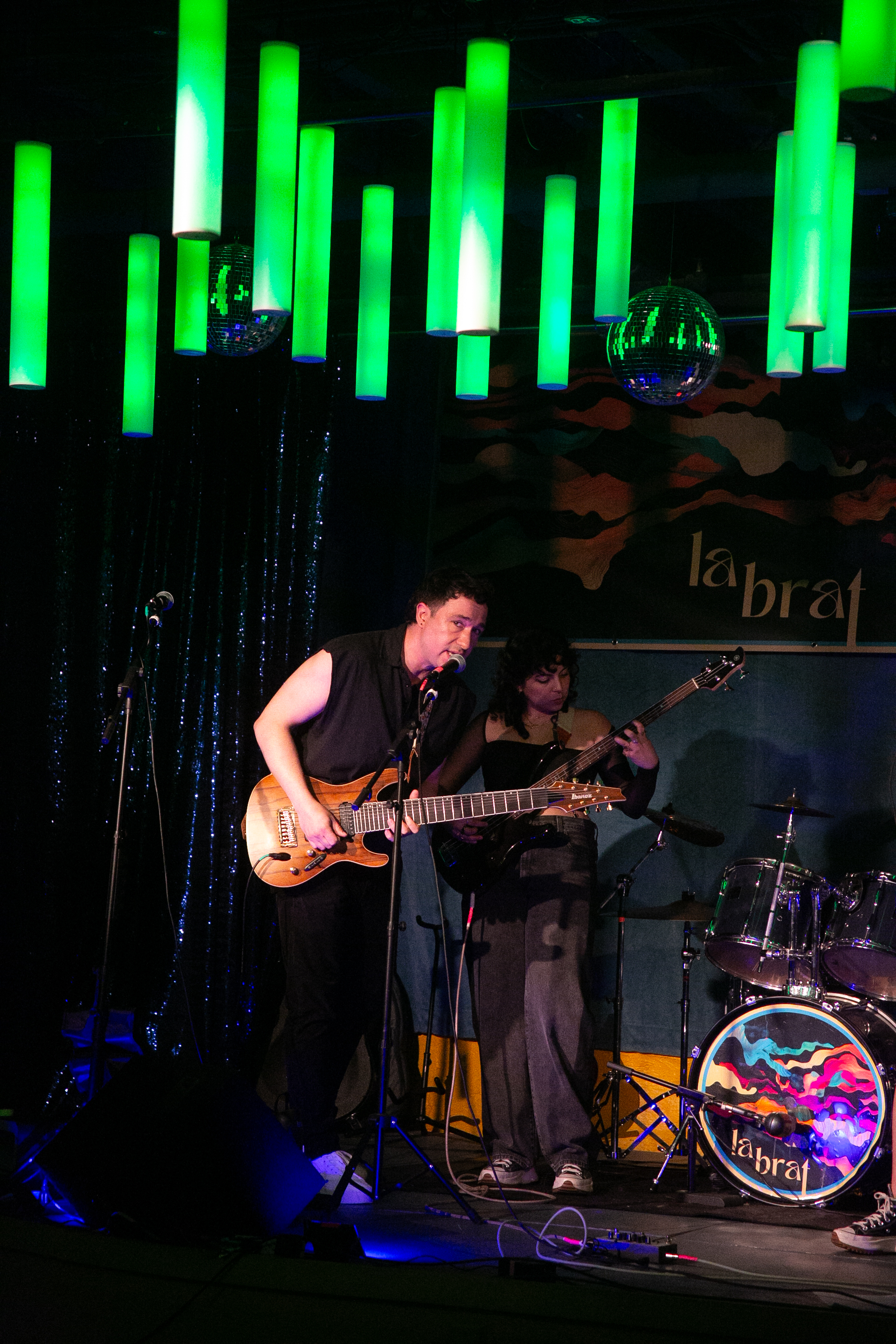
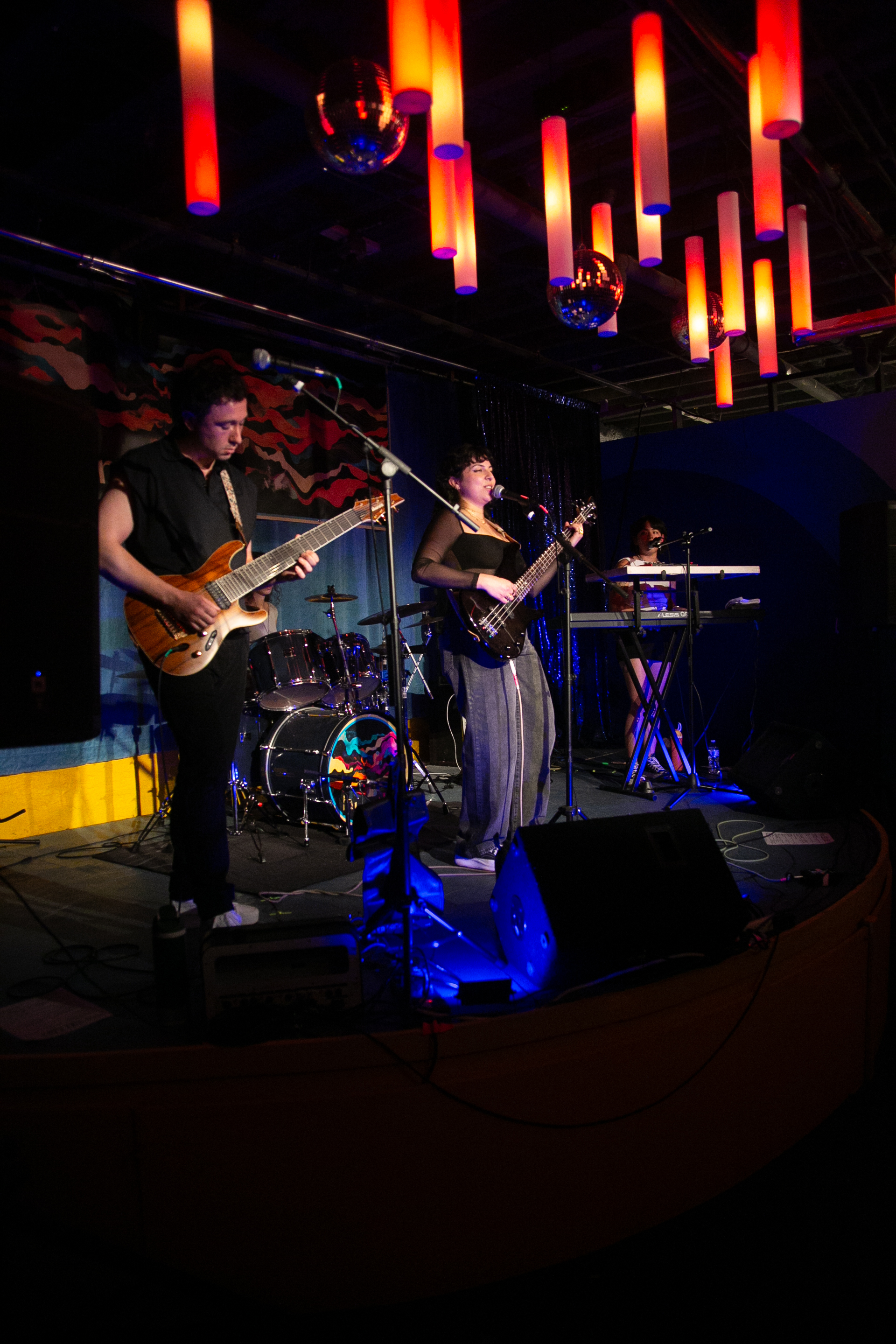
One of my favorite games! Guess which instrument I played in middle school band:
Gardening
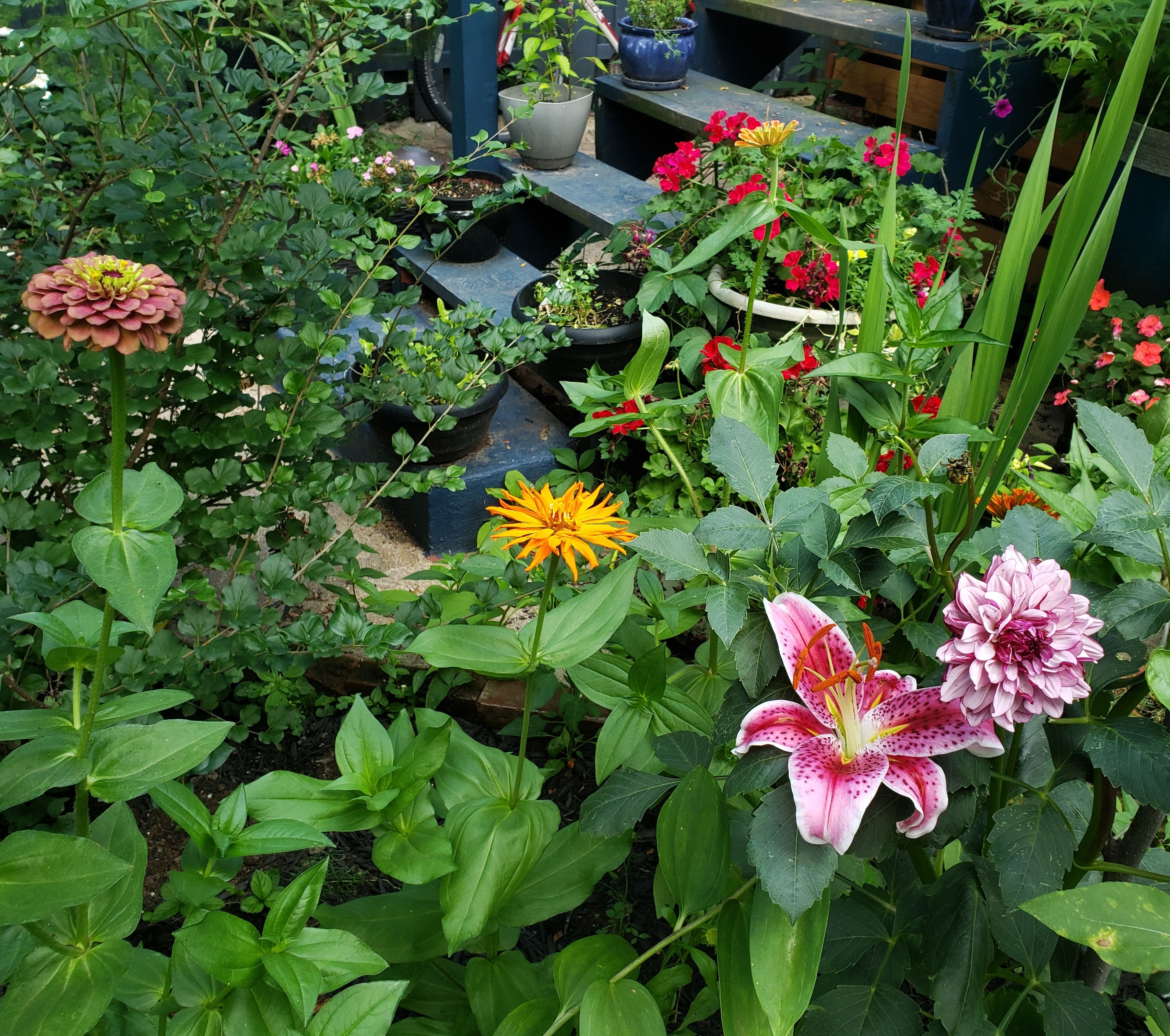
Flower dork. Zinnias are my favorite. Somehow can't keep a succulent alive to save my life. The dahlias and tomatoes thrive. The cacti are never heard from again.
Cooking
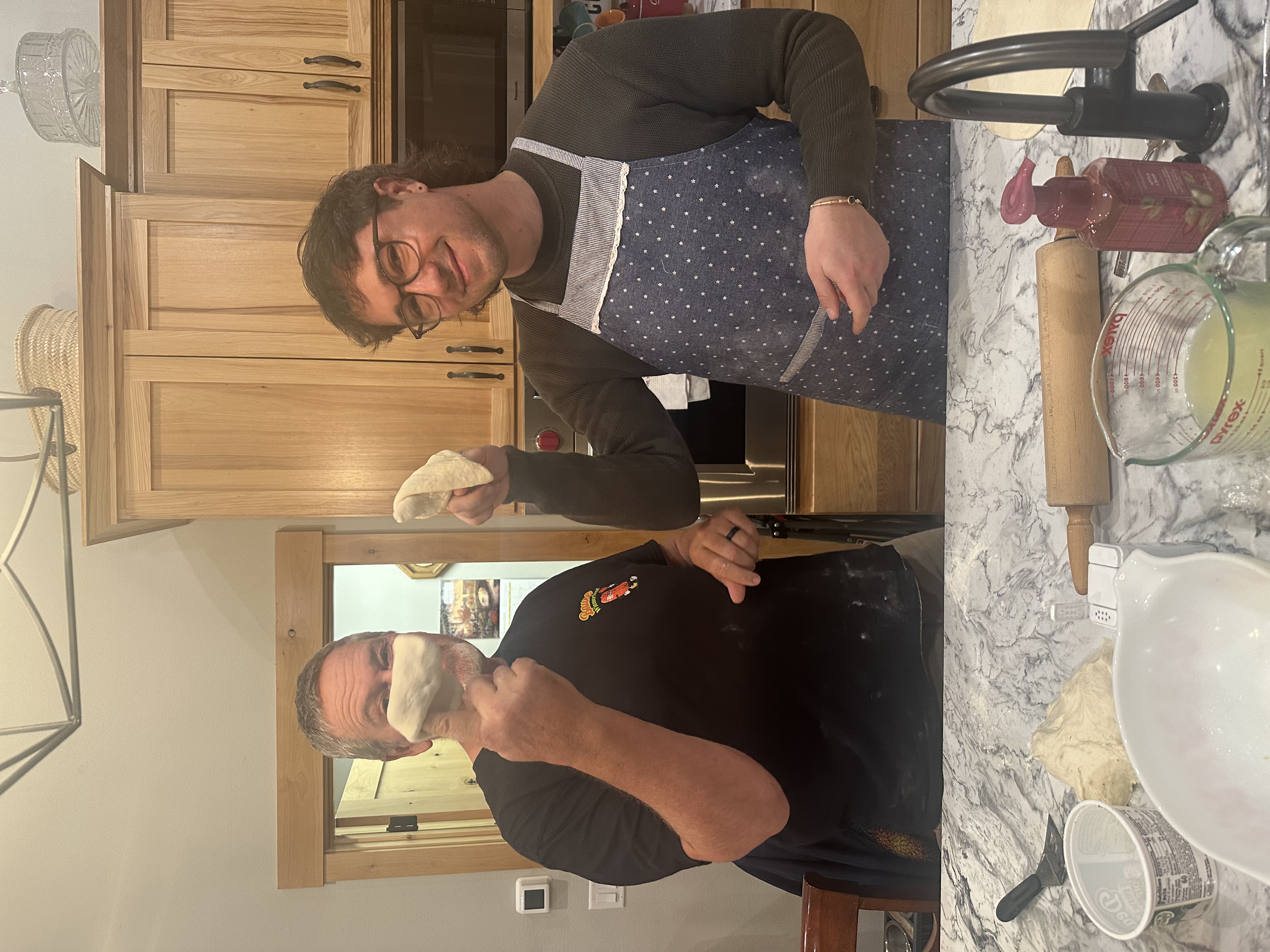
Love experimenting in the kitchen. Allergic to following a recipe verbatim. Will turn a mild craving into a full blown tasting menu.
Snowboarding
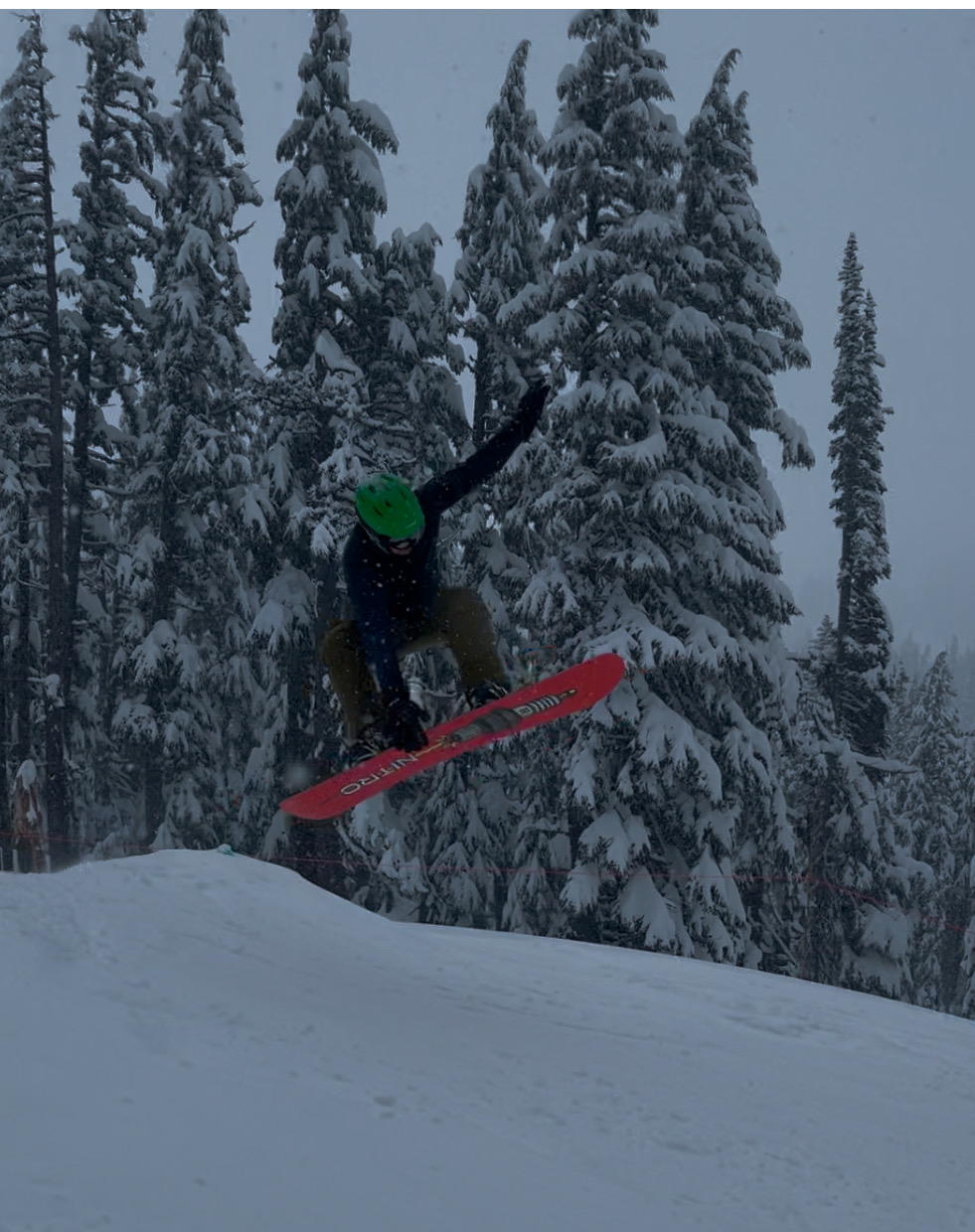
One of my favorite places to be. Not shown: me not landing this and detaching muscle from my rib (with a very slapstick pop).
Worldbuilding
Dungeon Master crafting worlds for tabletop RPG campaigns. I am fascinated by the intersection of storytelling, the creative process, and cognitive science. Partially to blame for my obsession with databases.
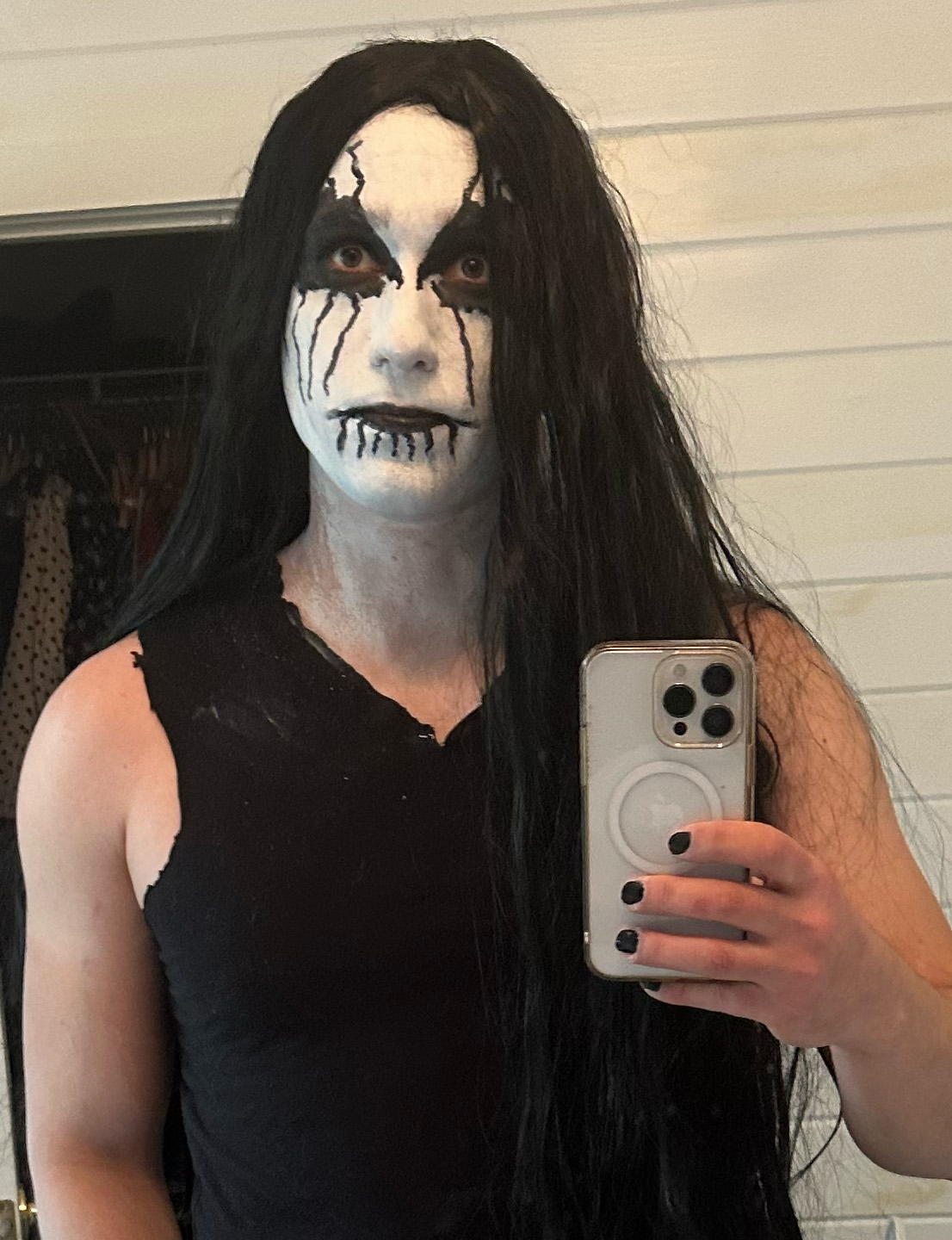
Halloween
Go all in when the best holiday of the year rolls around. Will sew my own Princess Leia costume, but will outsource the buns. Zero shame.
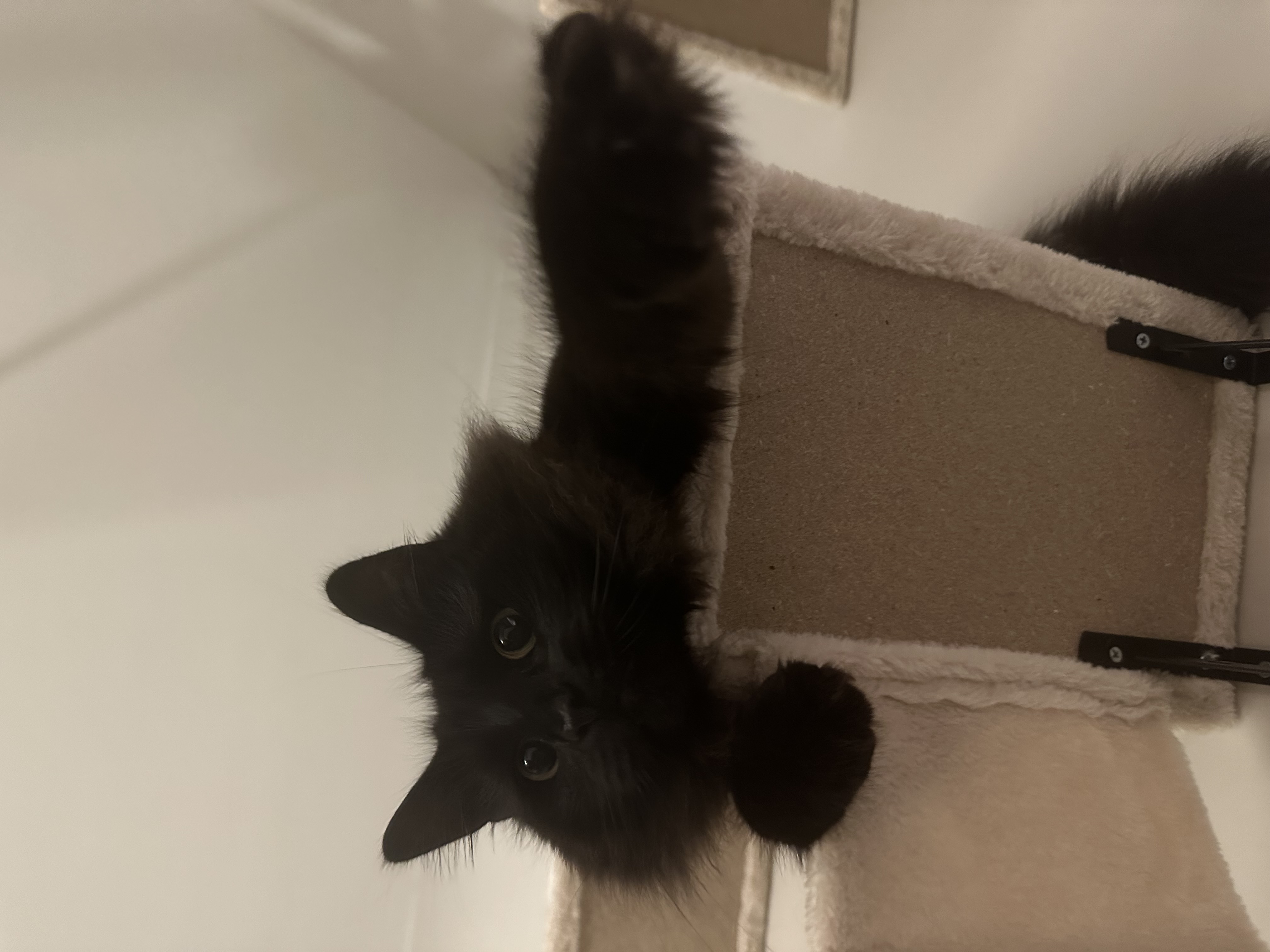
Lupa
Black cat. Master keyboard obstructionist. Indiscriminate dice thief. Super fluffy.
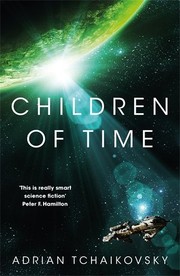
Right now, in three snapshots.

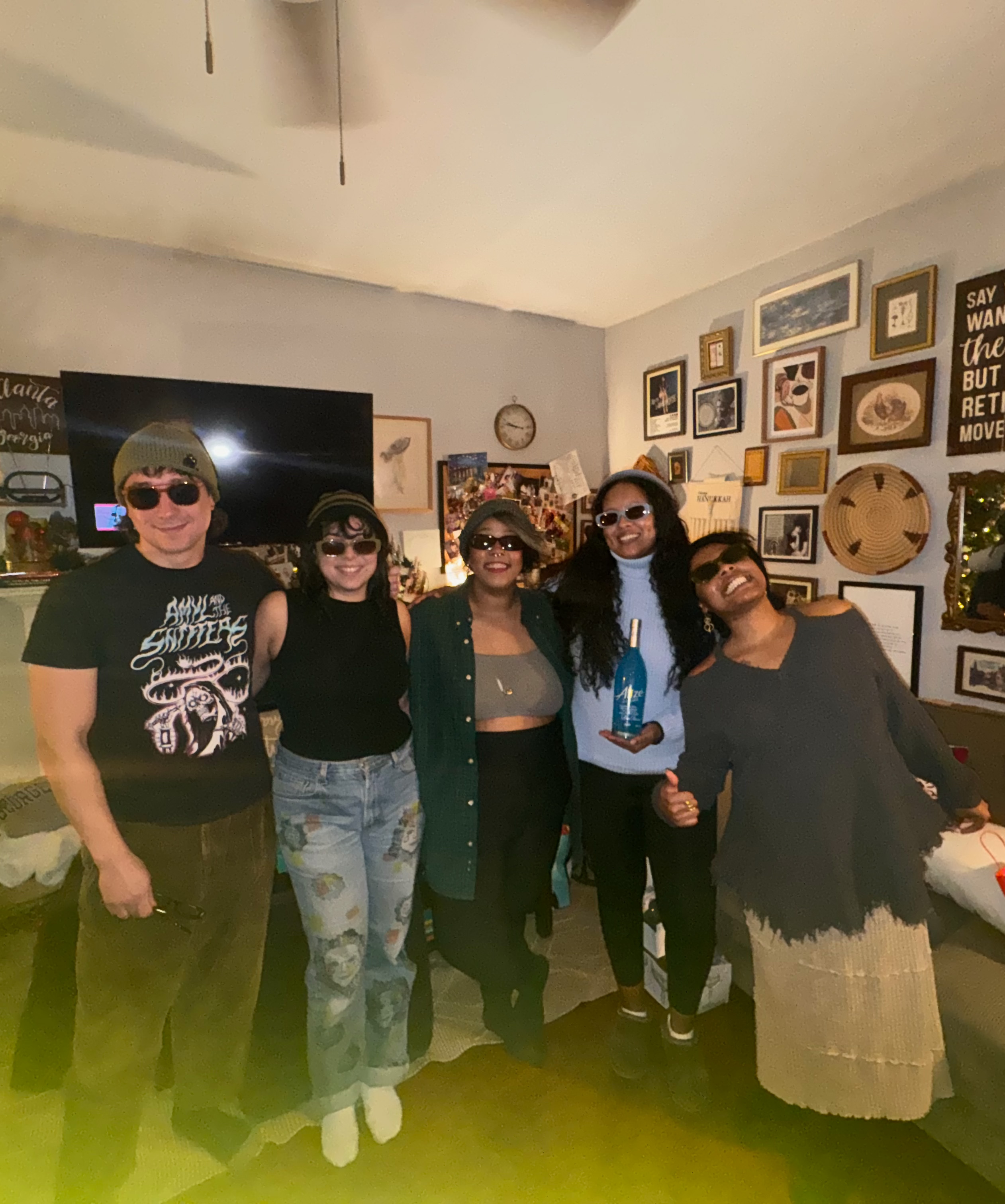 Atlanta, GA (Oregon native, open to relocation)